
As news from faraway places lands in your inbox or streams across your TV, it’s easy to think those stories don’t touch us here in Fargo. But global events—wars, energy shifts, climate migrations—have more impact than you might expect. Here’s a look at what’s out there, and what it means for our community.
Fragmentation in the Energy Transition
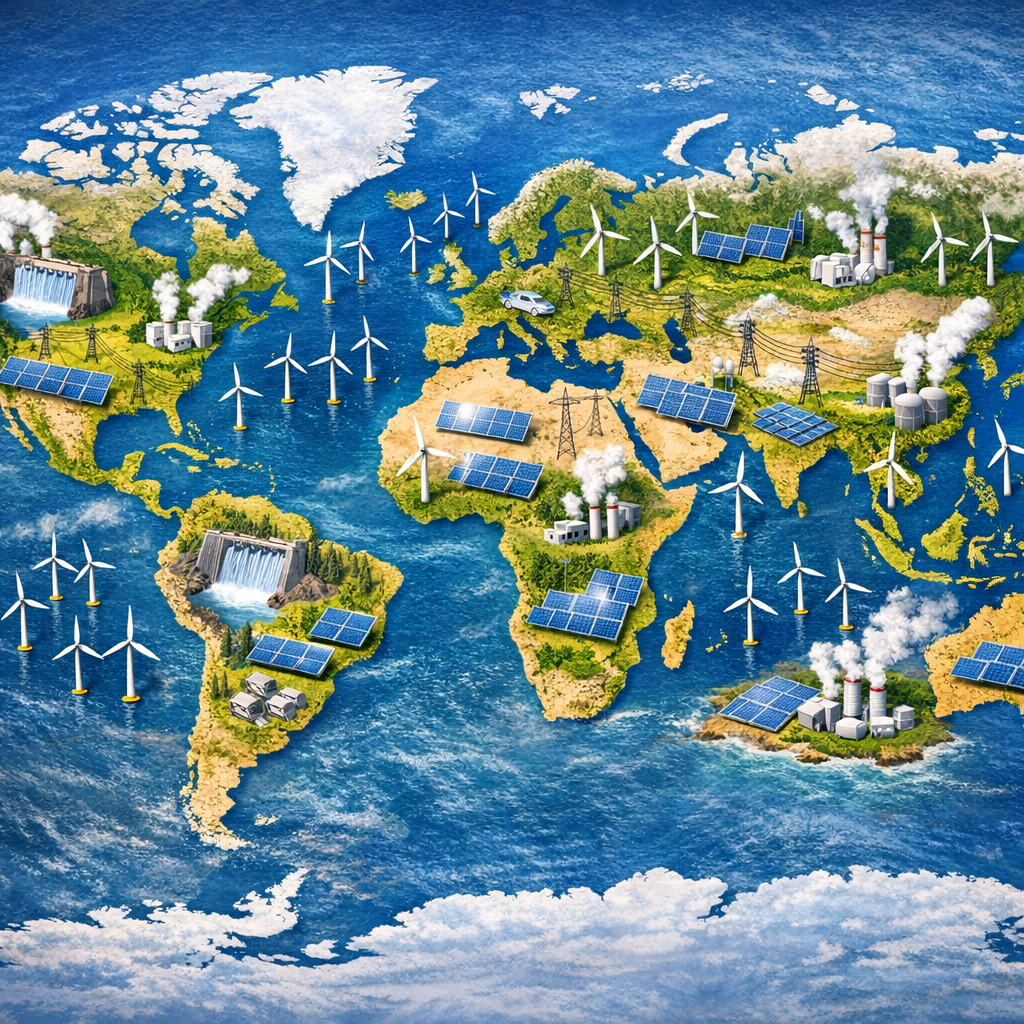
Countries worldwide are declaring ambitious clean energy goals, but a new global assessment shows the transition is increasingly uneven. Some nations are improving across areas like sustainability, security, and equity—while others lag in critical infrastructure, finance, and political commitment. Key issues include trade restrictions, supply chain fragility, and risks posed by conflict.
What this means here: energy prices in Fargo are tied into global supply chains. Disruptions abroad—from political instability in oil-producing regions to bottlenecks in clean-tech manufacturing—can ripple into higher utility bills, construction costs, and pressure on municipal infrastructure.
Conflict, Instability, and the Global Ripple Effect
The war between Iran and Ukraine continues, exacerbating economic instability, inflating fuel costs, and raising food prices globally. These crises shove vulnerable regions into state of emergency for energy and water—a warning that some systems can reach breaking points under strain.
Back home, our farmers, schools, families with fixed incomes—all feel it when fuel, shipping, or fertilizer costs climb. Trends in security and resource access overseas gradually shape what we pay, how far our dollars stretch, and what raw materials are available.
Climate, Displacement, and Migration Trends
Another global thread gaining urgency: climate change isn’t just altering weather—it’s fueling migration and displacement. In many parts of the world, environmental stressors like floods, droughts, and heat waves are forcing people to move. Health risks rise along migration routes, especially for displaced populations lacking basic services.
In Fargo, we see related challenges: our immigrants and refugee communities often arrive with trauma tied to climate or conflict. As Canada and U.S. resettlement programs evolve, and as local nonprofits work to bridge gaps in healthcare or housing, these global pressures become our local responsibility.
What Fargo Can Do
- Include energy resilience in city planning—invest in diversified power sources and ensure infrastructure can handle supply shocks.
- Support local awareness and services for immigrant and refugee populations, especially those facing climate-related displacement.
- Advocate for international policies that stabilize supply chains, protect human rights, and commit to climate mitigation—because global stability underpins our own.
Global events can feel distant, but the knock-on effects arrive here—even in the middle of the Northern Plains. Understanding how they connect to our lives helps us build stronger community responses—and gives us a chance to shape what unfolds next.