
North Dakota’s economy is deeply intertwined with federal policies and the performance of its primary industries, notably agriculture and energy. Understanding these dynamics is crucial for residents and policymakers alike.
Federal Policies and Their Economic Impact
Federal regulations have a significant influence on North Dakota’s economic environment. Studies indicate that from 1997 to 2017, the state’s regulatory burden increased by 110%, correlating with an additional 16,678 individuals living in poverty and a 5.5% rise in income inequality. This underscores the need for balanced regulatory approaches that consider both economic growth and social equity.
Key Industries: Agriculture and Energy
Agriculture
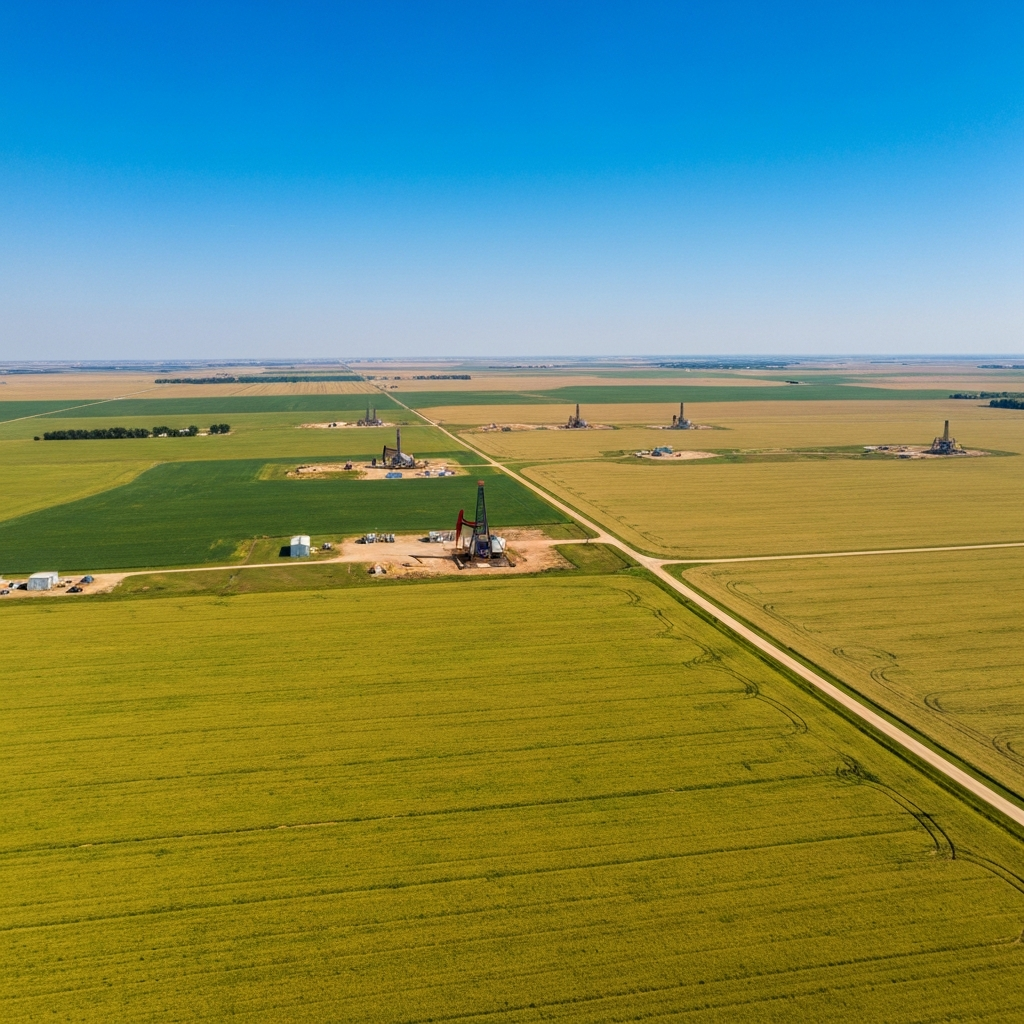
Agriculture remains a cornerstone of North Dakota’s economy. A 2025 report highlighted that the sector generates $41.3 billion annually, supports 123,360 jobs, and contributes $10 billion in labor income. The state’s commitment to value-added agriculture, such as commodity processing, continues to drive economic opportunities and rural prosperity.
Energy
The oil and gas industry also plays a pivotal role. In 2021, it accounted for over $42.6 billion in gross business volume and nearly 50,000 jobs. This sector’s resilience amid challenges like market volatility and policy shifts demonstrates its integral position in the state’s economic framework.
Political Representation and Influence
North Dakota’s political landscape is predominantly conservative, with the Republican Party holding the majority of seats in the state legislature and key statewide offices. The state’s congressional delegation comprises Senators John Hoeven and Kevin Cramer, and Representative Julie Fedorchak, all Republicans. This alignment influences the state’s stance on national policies, particularly those affecting agriculture and energy sectors.
Conclusion
North Dakota’s economic health is closely linked to federal policies and the performance of its primary industries. A nuanced understanding of these relationships is essential for fostering sustainable growth and addressing the challenges posed by regulatory changes and market dynamics.