
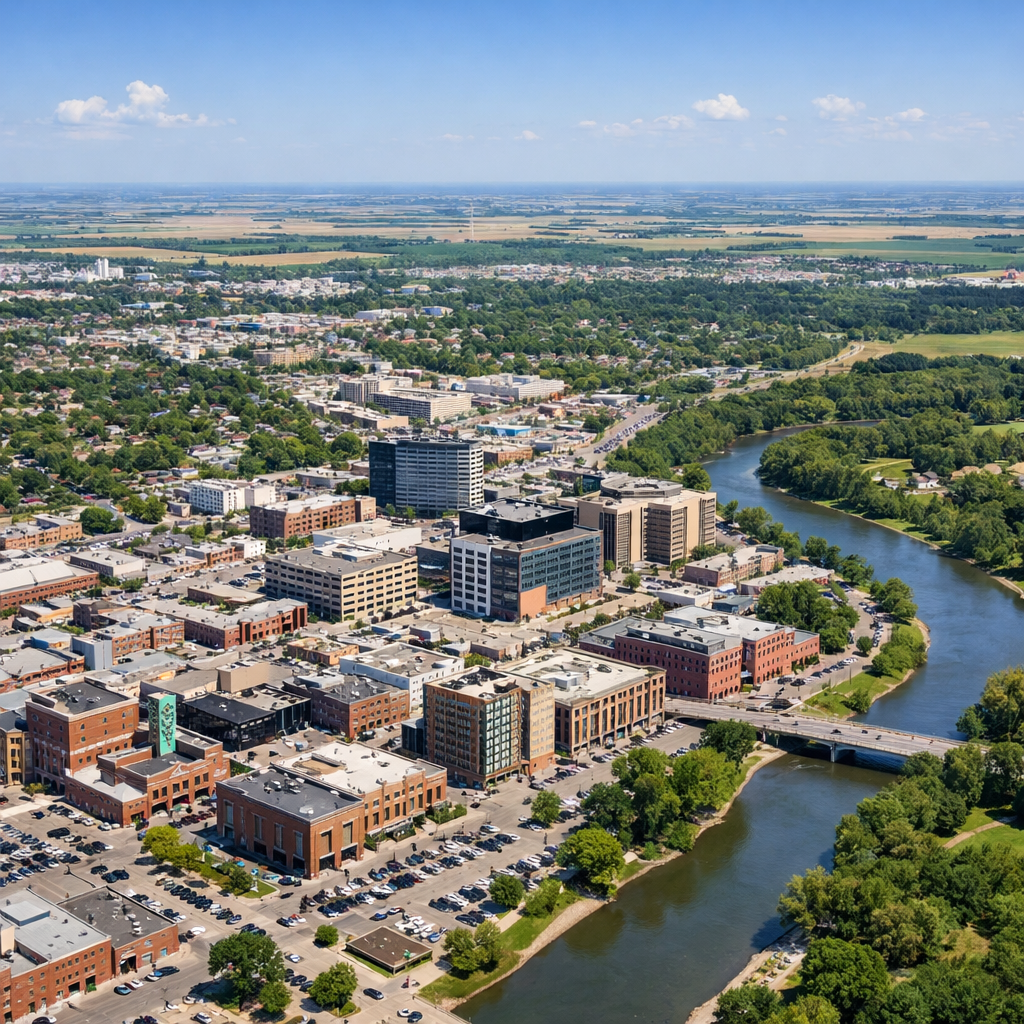
Fargo, North Dakota, has long been recognized for its steady growth and economic resilience. As the largest city in the state, Fargo serves as a hub for commerce, education, and healthcare. Understanding how national economic policies influence our local economy is crucial for residents and policymakers alike.
Population Growth and Housing
Over the past two decades, North Dakota has experienced significant population growth, with Fargo at the forefront. From 2000 to 2024, the state’s population increased by approximately 24%, outpacing the national growth rate. This surge has been particularly evident in Fargo, contributing to a robust housing market. However, challenges remain, especially in maintaining affordability for lower-income households. While the state has managed to keep housing costs relatively low compared to national averages, urban centers like Fargo continue to face affordability issues.
Economic Diversification and Employment
Fargo’s economy has diversified beyond its traditional agricultural roots. The city has become a regional center for technology, healthcare, and education. Notably, Fargo has defied national employment trends, maintaining an unemployment rate of 2.8% as of March 2026, significantly lower than the national average. This success is attributed to strategic investments in infrastructure and a focus on sectors like technology and energy.
Federal Policies and Local Impact
Federal economic policies, including stimulus packages and infrastructure investments, have played a role in Fargo’s development. For instance, the “Accelerate ND” plan unveiled in 2021 aimed to strategically invest federal funds into the state’s economy, providing tax relief and supporting economic development. Such initiatives have had a tangible impact on local communities, including Fargo, by fostering economic growth and stability.
Challenges and Opportunities
Despite these positive trends, challenges persist. The rapid population growth has strained infrastructure and public services. Additionally, while the economy has diversified, there is a need to ensure that growth is inclusive and benefits all residents. Continued collaboration between local and federal entities will be essential in addressing these challenges and seizing future opportunities.
In conclusion, Fargo’s economic trajectory is closely intertwined with national policies. By understanding and adapting to these influences, the city can continue to thrive and serve as a model for other communities navigating the complexities of a changing economic landscape.