
In an increasingly interconnected world, global trade dynamics play a pivotal role in shaping local economies, including that of Fargo, North Dakota. Recent discussions at the Global Business Connections Conference, held on June 4, 2026, in Fargo, shed light on these influences.
Deep Trade Agreements and Local Implications
Dr. Carlos Zurita from North Dakota State University’s Department of Agribusiness and Applied Economics presented insights into the evolving landscape of U.S. trade agreements. He emphasized the growing importance of deep trade agreements, which extend beyond traditional tariff reductions to encompass areas such as investment, intellectual property, services, regulatory standards, competition policy, and environmental provisions. These comprehensive agreements can open new markets for Fargo’s exporters and attract foreign investments, fostering economic growth in the region.
Transportation Challenges in Global Trade
Another critical aspect discussed was the transportation challenges faced by exporters. Efficient logistics are vital for Fargo’s businesses to compete in the global market. Addressing these challenges through infrastructure improvements and policy adjustments can enhance the competitiveness of local industries.
Local Adaptations to Global Events
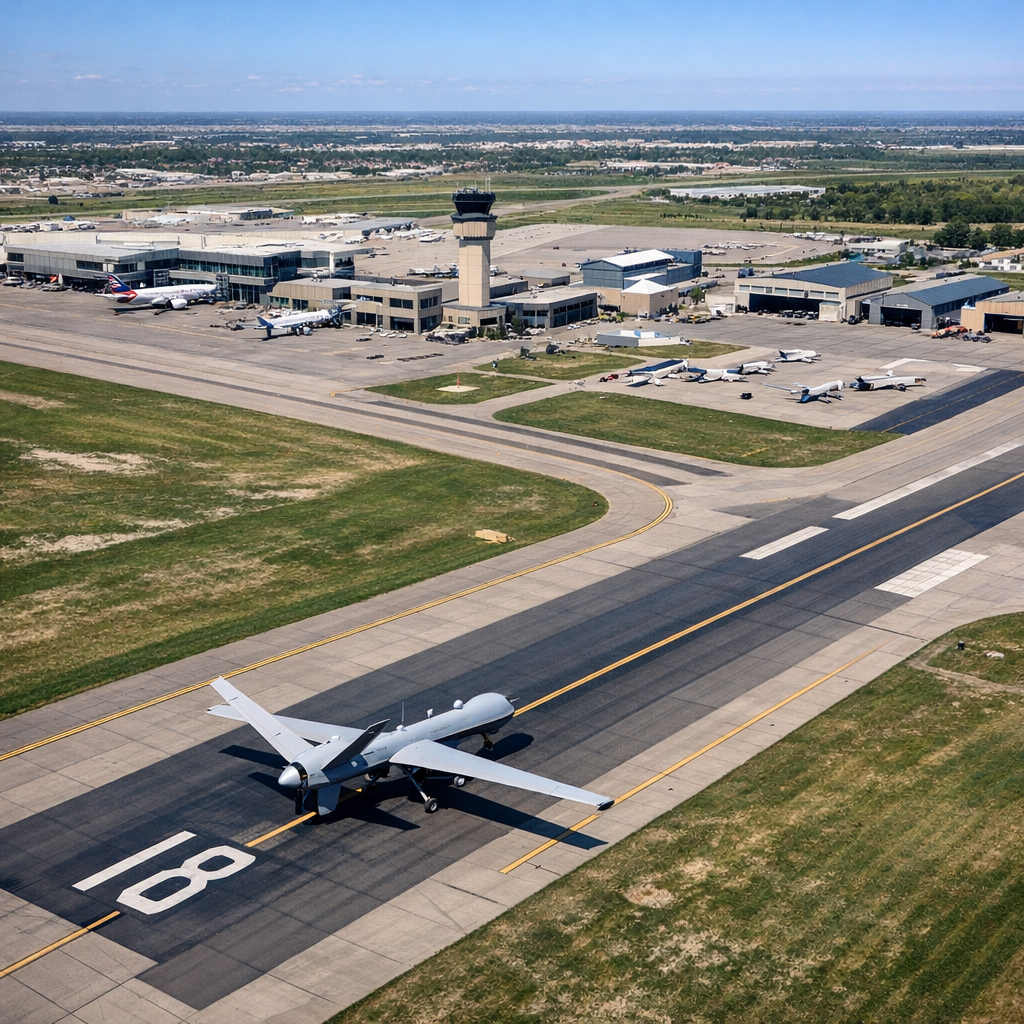
Fargo’s adaptability to global events is evident in recent developments. For instance, General Atomics Aeronautical Systems, Inc. temporarily relocated its MQ-9 flight operations to Fargo’s Hector International Airport due to runway construction at Grand Forks Air Force Base. This move underscores Fargo’s capacity to accommodate significant operational shifts, highlighting the city’s strategic importance in global operations.
Looking Ahead
As global trade dynamics continue to evolve, Fargo’s economy remains intertwined with international developments. Staying informed and proactive in adapting to these changes will be crucial for sustaining and enhancing the city’s economic vitality.